A Life Fueled by Passion
David grew up in Adelaide and was the child of two teachers.
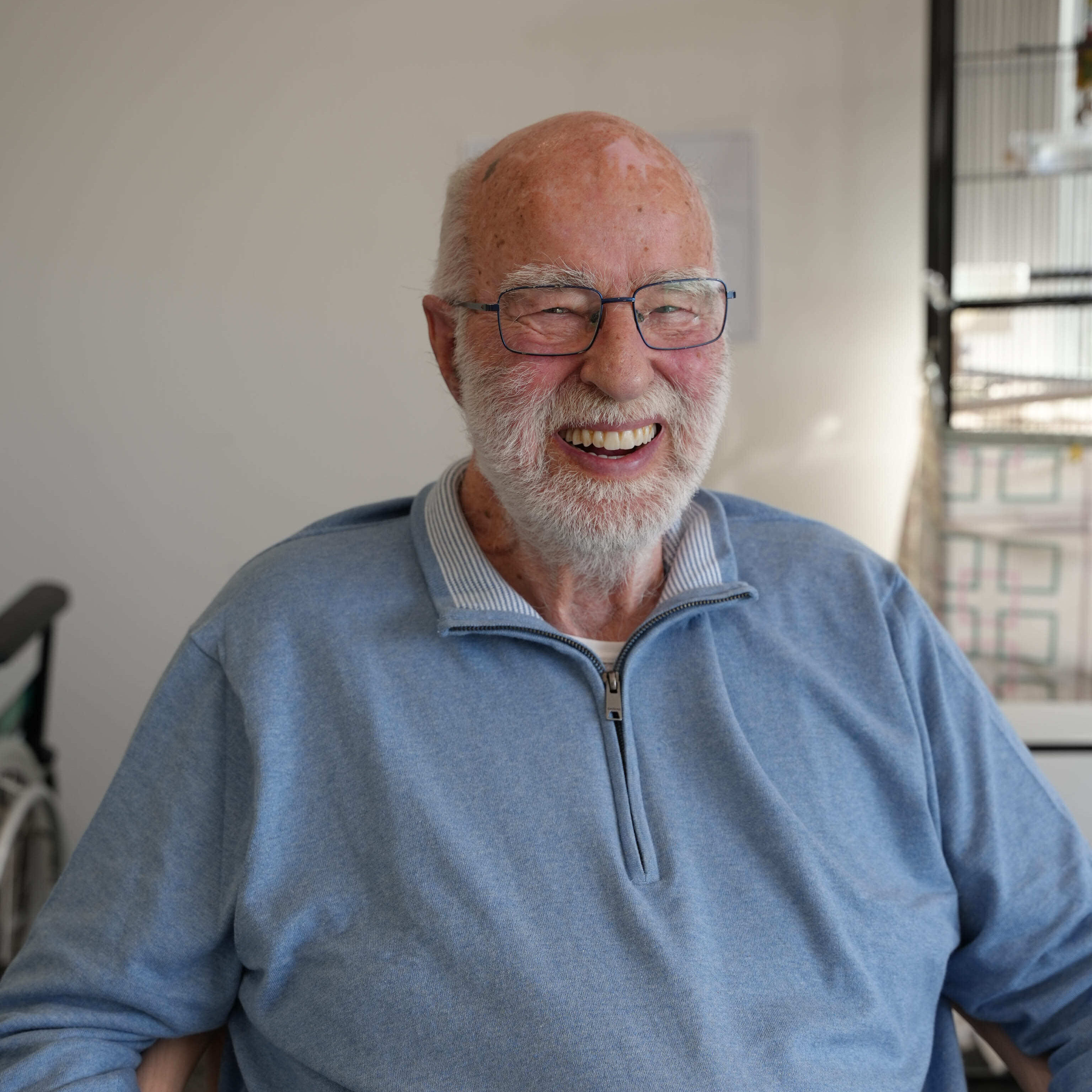
“We moved around a fair bit. I was born in a place called Henley. Dad was the headmaster in the schools, which caused a bit of grief coming through, as you can imagine. One or two just “hurts me more than it hurts you, boy” moments but it didn’t worry me. It was just part of growing up. I was always into stuff like sport and woodwork.”
David’s parents moved to Whyalla and he stayed boarding, first with his grandma, then an older lady in town. “I studied engineering for too many years, so many years, and they gave up on me, which is fair enough.
My parents supported me tremendously and I got a scholarship. They wanted me to have a go, and in fact I had the choice between a maths scholarship at ANU or an engineering scholarship in Adelaide. I have to admit that the bulldozer on the cover of the brochure was what got me. Until I found out that you weren’t allowed to drive a bulldozer unless you were licensed, trained, and all that sort of stuff!”
It was during this time he met his wife, Marie.
“We met at uni, she was at teachers’ college. We had mutual friends, and the
drive-in was a place where you went to meet people or where you took people to
check them out. We both passed one another’s tests and then we were married.”
While at university David also met his second love – cars. “That’s when I first
became interested in cars, I think, because a few friends of mine had cars that
they were interested in.”
David’s scholarship was with the Department of Main Roads in South Australia. He worked on a few roads in his university breaks, until he finished at university and left for a draftsman position at the Highways Department. There he designed and drew roads and intersections.
Eventually Marie and David moved to Tasmania in 1967, six months after the Black Tuesday bushfires. They would go on to have 3 children. In Tasmania he worked as a technical officer on the main roads and took part in the National Association of State Road Authorities survey. After 18 months he had a career change.
“I saw a job in the State Computer Centre, which was just firing up at that stage, and they sent me to Canberra for a year. We sent the whole family to Canberra for a year.
During that time, we sort of had a little bit of a play with motorsport in Canberra.
I joined the Canberra Sporting Car Club and did a bit of rallying, a bit of motorkhana, standing quarters and things.”
David owned a Jaguar 140 in Adelaide, when they left Adelaide, he had a Jaguar Mark IV that he had to sell. So, when he came to Tasmania he was on the hunt for another Jaguar.
“I couldn’t help myself, I had to get the Jaguar.
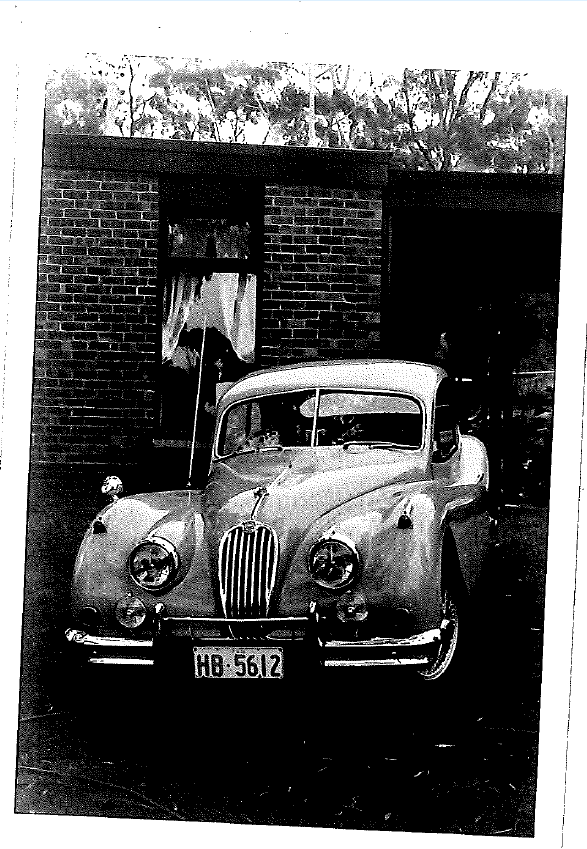
There was this one that came up for sale. I was boat racing with a friend, Cam Morrisby, who introduced me to the owner who was putting his boat in the water with it. He’s got an XK140, which is a pretty good track car really.
Then a guy from Melbourne came over to fire up the Hanimex office here. Hanimex, a long time ago, were film suppliers.
He was a member of the Jaguar Club in Victoria and had taken on the task of firing up the Jaguar Club in Tasmania. And of course he had an XK140 as well, so he found all the 140s and Jaguars in the streets and stuck things under the windscreen wipers.
It really worked well. He got Roger Richardson, me, and himself. We were the original fire-uppers of the Jaguar Car Club in Tasmania.”
The Jaguar car club was involved in racing, building cars, and keeping Jaguars on the road.
David built a home workshop where he constructed and sold many cars. “My wife put up with them [the cars], tolerated them!” One car he constructed was a 1978 Mercedes that went on to become a Grand Prix car. Although David admits he wasn’t the best racer, he was consistent. “I got the Sportsman of the Year for one year, for the field I was running in, from the Hobart Sporting Car Club. I had been consistently there, even though I was no winner. And I took part in nine Targa Tasmania’s, mainly in cars that belonged to someone else that I’d prepared for. They were kind enough to share the drive with me. It was a lot of fun. And then in later years, as I started to go slower, I built cars that were slower. We were building cars that were slow all the time. I finished building, from 1935 Riley bits, a little single-seater racing car.
When I finished racing it at Winton and at Baskerville, I sold it and it went to England. I was pretty happy about that.”
After a few bouts of sickness David arrived at Snug Village. “It’s good here because we have enough people to spread the load so it doesn’t all fall on Marie."